

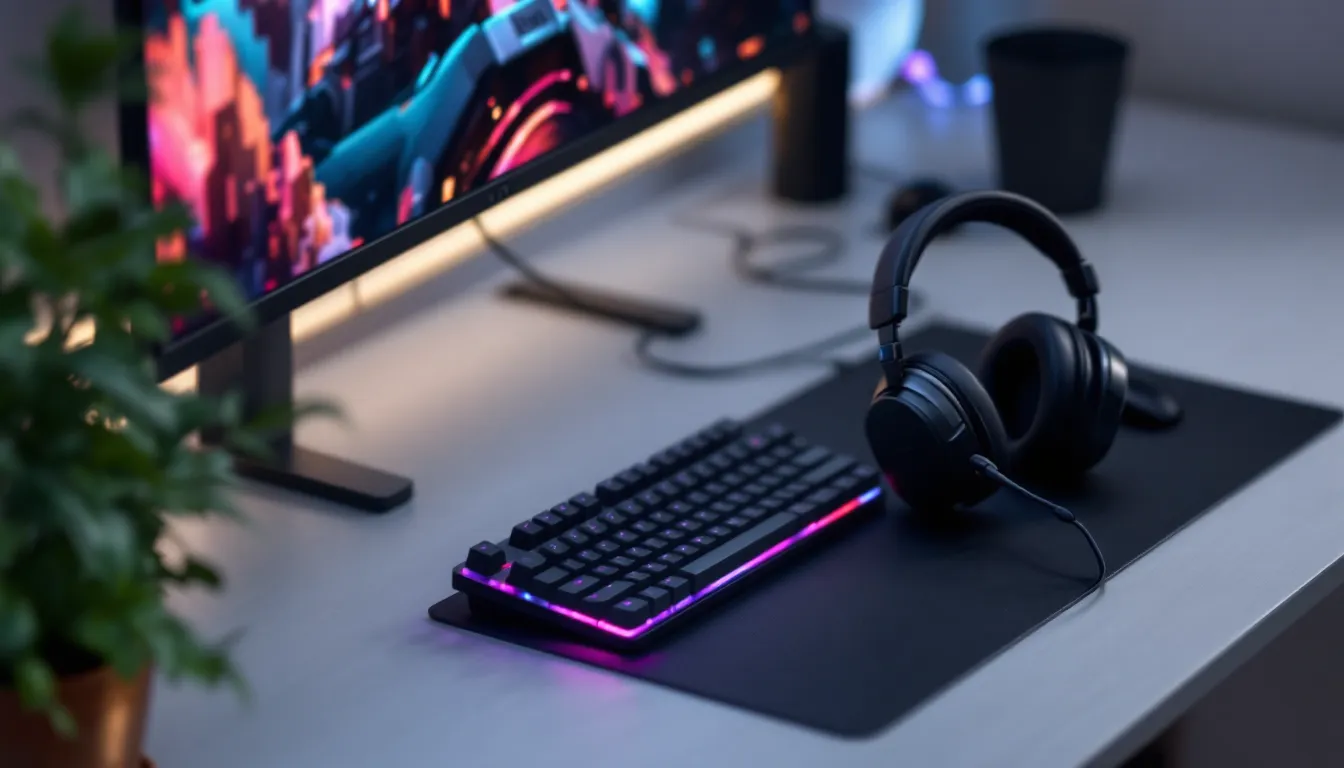
Finding the right gaming headset in 2026 isn’t just about plugging in and hoping for the best. With dozens of options flooding the market, from ultra-budget picks to premium wireless monsters, the choice can feel overwhelming. But here’s the thing: a great headset doesn’t just deliver crisp audio or a decent mic. It becomes an extension of your setup, whether you’re grinding ranked matches, coordinating callouts in a battle royale, or just immersing yourself in a single-player campaign.
This guide cuts through the noise (pun intended) and breaks down the best gaming headsets across every price range, platform, and use case. Whether you’re shopping for a reliable budget option under $50, eyeing wireless freedom, or ready to invest in premium audio for competitive play, you’ll find specific recommendations backed by real performance data. No fluff, no vague “great sound quality” claims, just the headsets worth your money right now.
Key Takeaways
- A great gaming headset balances audio positioning accuracy, microphone clarity, and comfort for extended sessions, not just brand reputation or flashy features.
- The best budget gaming headsets under $50, like the HyperX Cloud Stinger 2, deliver solid directional audio and multi-platform compatibility without compromising performance.
- Wireless gaming headsets in 2026 now offer sub-20ms latency that rivals wired options, making them viable for competitive play when using 2.4GHz proprietary connections instead of Bluetooth.
- Mid-range gaming headsets ($100–$150) provide exceptional value by incorporating features like AI-powered noise cancellation and lightweight designs that were premium-only features years ago.
- Platform compatibility is critical for console gamers—PlayStation benefits from Tempest 3D Audio support, Xbox Wireless protocol, and multi-platform models like the Razer Barracuda Pro adapt seamlessly across ecosystems.
- Competitive esports players should prioritize low-latency wired connections or wireless headsets under 20ms, stereo imaging for positional accuracy, and proven tournament reliability over virtual surround sound.
What Makes a Gaming Headset Worth Buying?
Not all headsets are created equal, and understanding what separates a solid performer from a waste of cash matters more than brand hype. Let’s break down the core factors that actually impact your gaming experience.
Sound Quality and Audio Positioning
Audio drivers determine how accurately a headset reproduces sound. Most gaming headsets use 40mm or 50mm drivers, larger doesn’t automatically mean better, but it often helps with bass response and overall volume. What matters more is frequency response, typically ranging from 20Hz to 20kHz for human hearing.
For competitive gaming, audio positioning is critical. You need to hear footsteps behind you in Valorant or gunfire direction in Warzone. Some headsets use virtual surround sound (like Windows Sonic or DTS Headphone:X), while others rely on precise stereo imaging. Professional players often prefer the latter for accuracy.
Microphone Clarity and Noise Cancellation
A mediocre mic can ruin team coordination faster than a bad teammate. Look for bidirectional or cardioid pickup patterns, these focus on your voice while reducing background noise. Detachable boom mics generally outperform built-in options.
Noise cancellation comes in two forms: passive (physical isolation from ear cup design) and active (electronic cancellation). For gaming, passive is often enough unless you’re in a particularly loud environment. Some mid-range and premium headsets now include AI-powered noise suppression that filters out keyboard clacks and fan noise in real-time.
Comfort for Extended Gaming Sessions
Comfort isn’t a luxury, it’s essential when you’re three hours into a raid or marathon streaming session. Ear cup material matters: memory foam with velour or breathable mesh beats cheap pleather that makes your ears sweat. Weight distribution is equally important: headsets over 350g can cause neck strain during long sessions.
Clamping force is the pressure a headset applies to your head. Too tight causes headaches, too loose means constant readjustment. Look for adjustable headbands with enough flexibility to fit different head sizes without creating pressure points.
Wired vs. Wireless: Which Is Right for You?
Wired headsets deliver zero-latency audio and never need charging. They’re the go-to for competitive esports where every millisecond counts. The trade-off? Cable management can be a pain, and you’re tethered to your setup.
Wireless headsets in 2026 have come a long way. Modern 2.4GHz connections offer latency under 20ms, imperceptible for most gaming. Battery life typically ranges from 15 to 50 hours depending on the model. Bluetooth adds versatility for mobile gaming or music listening, but often introduces noticeable lag for fast-paced games. Many wireless models now support simultaneous wired and wireless modes, giving you flexibility when the battery dies mid-session.
Best Budget Gaming Headsets Under $50
Budget doesn’t have to mean compromised performance, especially if you know where manufacturers make smart trade-offs.
HyperX Cloud Stinger 2 remains a standout at $39.99. It’s a wired workhorse with 40mm drivers that punch above their price class. The directional audio is surprisingly accurate for a sub-$50 headset, you’ll catch flanking enemies in Call of Duty or Apex Legends without issue. The headband uses lightweight plastic that feels slightly cheap but keeps the weight at just 275g. The flip-to-mute boom mic isn’t broadcast quality, but it gets callouts across cleanly.
Platform compatibility covers PC, PS5, PS4, Xbox Series X
|
S, Xbox One, and Nintendo Switch via 3.5mm connection.
Razer Barracuda X (2022) at $49.99 bridges budget and wireless territory. It uses a USB-C dongle for low-latency wireless on PC, PlayStation, and Switch. The Triforce 40mm drivers deliver decent separation between footsteps and ambient noise. Battery life hits 20 hours, and you can swap to wired mode with the included cable. The ear cups are on the smaller side, if you have larger ears, comfort drops after about two hours.
Corsair HS35 Stereo ($29.99) is the true bottom-shelf option that doesn’t completely fall apart. The 50mm neodymium drivers handle explosions and gunfire without distortion, though bass response is weak. Professional reviewers at PCMag noted the build quality feels plasticky but holds up to daily use. The Discord-certified mic performs adequately for casual gaming but lacks noise suppression.
Best Mid-Range Gaming Headsets ($50-$150)
This price bracket offers the best value-to-performance ratio. You’re getting features that were premium-only a few years ago.
SteelSeries Arctis Nova 3 ($99.99) nails the sweet spot. The 40mm drivers with High Fidelity Audio support deliver clarity that rivals headsets $50 more expensive. The ComfortMAX ear cushions use AirWeave fabric that actually breathes, your ears won’t feel like they’re in a sauna after a three-hour session. The ClearCast Gen 2 mic includes AI-powered noise cancellation that filters out mechanical keyboard noise and background conversations.
It’s wired multi-platform: works across PC, PS5, Xbox Series X
|
S, and Switch via 3.5mm and USB-C connections.
Logitech G535 Lightspeed ($129.99) brings wireless freedom without very costly. The 2.4GHz Lightspeed connection delivers sub-20ms latency, you won’t notice any audio delay in competitive shooters. Battery life reaches 33 hours on a single charge. At 236g, it’s one of the lightest wireless headsets available, making it ideal for marathon sessions. The 40mm drivers lean slightly toward bass-heavy, which works well for action games but may muddy competitive audio cues slightly.
HyperX Cloud Alpha Wireless (now around $149.99 after a price drop) deserves mention for its absurd 300-hour battery life. That’s not a typo, you can game for weeks between charges. The dual-chamber 50mm drivers provide excellent separation between bass and mids, so explosion rumble doesn’t drown out footsteps. The aluminum frame feels premium, though the headset weighs 318g. PC and PlayStation compatible via USB dongle.
Razer BlackShark V2 ($99.99 wired) is a competitive favorite. The THX Spatial Audio provides some of the best positional accuracy in this price range. Testing by independent audio labs at RTINGS confirmed exceptional imaging performance, crucial for games like Counter-Strike 2 or Valorant where directional audio wins rounds. The HyperClear cardioid mic delivers broadcast-level clarity. Trade-off: the synthetic leather ear cups trap heat during extended use.
Premium Gaming Headsets for Serious Gamers ($150+)
Premium territory is where you’ll find best-in-class audio, build quality, and features that justify the investment for dedicated gamers.
Audeze Maxwell ($299.99) represents the current pinnacle of gaming headset audio. It uses 90mm planar magnetic drivers, the same technology found in audiophile headphones. The soundstage is massive, with instrument separation and positional accuracy that embarrasses most competitors. The detachable boom mic includes Audeze’s AI noise suppression that’s genuinely impressive. Battery life hits 80 hours with Bluetooth off.
Available in Xbox or PlayStation variants (Xbox version works on PC: PlayStation version works on PC, PS5, and Switch). The weight (490g) is substantial but distributed well enough that comfort remains solid.
SteelSeries Arctis Nova Pro Wireless ($349.99) offers a feature set that borders on excessive. The GameDAC Gen 2 control hub includes a full OLED display for EQ adjustments and settings. You get dual battery packs, swap one out while the other charges, eliminating downtime. The 40mm drivers with 360° Spatial Audio provide excellent competitive audio. Active noise cancellation works surprisingly well for blocking out household noise.
Simultaneous 2.4GHz and Bluetooth connections let you take Discord calls on your phone while gaming on PC or console. Multi-platform compatibility includes PC, PS5, PS4, and Xbox versions.
Astro A50 Wireless (Gen 5) ($329.99) remains a console player favorite. The HDMI 2.1 base station supports 4K/120Hz passthrough, critical for next-gen consoles. The Dolby Atmos integration provides genuine height channels that work beautifully in supported games like Hellblade II. The magnetic charging dock is elegant, though the proprietary system means you can’t quick-charge via USB in a pinch. Battery lasts around 24 hours.
Available in Xbox or PlayStation editions, each compatible with PC as well.
Beyerdynamic MMX 300 Pro ($329.99) takes a different approach: pure wired audio excellence. The 40mm Tesla drivers deliver reference-quality sound with flat frequency response, what you hear is exactly what the audio designers intended. Professional musicians and streamers gravitate toward this headset for its accuracy. The velour ear pads and spring-steel headband distribute weight (290g) perfectly. The flip-to-mute mic matches studio quality. Only downside: it’s wired-only and requires a decent amp to drive properly.
Best Wireless Gaming Headsets for Freedom of Movement
Wireless technology in 2026 has reached the point where performance matches or exceeds wired in many cases, if you choose the right model.
SteelSeries Arctis Nova 7P/7X ($179.99) delivers rock-solid wireless performance. The 2.4GHz connection uses SteelSeries’ Quantum 2.0 wireless chip with sub-20ms latency. The 38-hour battery life handles multiple gaming sessions between charges. Simultaneous USB and 3.5mm wired connection serves as backup when the battery dies. The Sonar Software (PC) provides excellent EQ presets for different game genres.
7P version optimized for PlayStation: 7X for Xbox, both work across PC and Nintendo Switch.
Corsair Virtuoso RGB Wireless XT ($269.99) combines wireless versatility with premium build. It supports three connection modes: 2.4GHz low-latency wireless, Bluetooth 5.2, and wired USB/3.5mm. The 50mm high-density neodymium drivers deliver Hi-Res Audio certification. The detachable broadcast-grade mic uses a 9.5mm capsule that rivals dedicated USB mics. Aluminum construction feels bulletproof at 360g.
Fully compatible across PC, PS5, PS4, Xbox (via 3.5mm), Switch, and mobile.
Turtle Beach Stealth Pro ($329.99) offers active noise cancellation rare in gaming headsets. The ANC effectively blocks ambient noise, useful for noisy households or LAN events. Dual battery system (like the Arctis Nova Pro) eliminates downtime. The 50mm Nanoclear drivers deliver punchy bass without muddying mids. Bluetooth 5.1 allows simultaneous game audio and phone calls.
Available in Xbox and PlayStation variants, both PC-compatible.
Drop + Sennheiser/EPOS PC38X Wireless ($279.99) brings audiophile pedigree to wireless gaming. The open-back design creates an expansive soundstage, incredible for immersive single-player games. The trade-off: everyone around you hears your game audio, and you hear everything in your environment. Battery hits 30 hours. The wireless adapter uses aptX Low Latency codec for sub-40ms response. PC-focused but works with any device supporting USB-A wireless or 3.5mm wired.
Best Gaming Headsets for Competitive Esports
Competitive gaming demands headsets optimized for positional audio accuracy, reliability, and consistency, not flashy features.
Logitech G Pro X 2 Lightspeed ($249.99) is the current esports standard. Used by professional teams across League of Legends, Valorant, and CS2. The 50mm Graphene drivers deliver exceptional clarity with minimal distortion even at high volumes. Blue VO.CE mic technology includes real-time filters used by actual broadcast professionals. The 2.4GHz Lightspeed wireless has proven tournament-reliable with sub-15ms latency. Battery lasts 50 hours.
PC and PlayStation compatible: Xbox requires wired mode.
Razer BlackShark V2 Pro (2023) ($179.99) balances competitive performance with value. The THX Spatial Audio provides pinpoint directional accuracy, you’ll hear exactly where that Valorant Jett is dashing from. The TriForce Titanium 50mm drivers separate highs, mids, and bass into individual chambers for cleaner audio separation. Razer’s HyperSpeed wireless delivers sub-20ms latency. Battery life reaches 70 hours with RGB off.
Multi-platform via USB dongle: PC, PS5, Switch. Bluetooth 5.2 adds mobile compatibility.
Spatial Audio and Surround Sound Technology
Virtual surround sound remains controversial in competitive circles. Many pro players disable it entirely, preferring stereo imaging for consistent, predictable audio cues. Spatial audio technologies like Dolby Atmos, DTS Headphone:X, and Tempest 3D Audio (PS5) add vertical height channels, useful in games designed for it, but potentially distracting in competitive shooters.
The best competitive headsets let you toggle spatial features on/off. Use surround for campaign games, stereo for ranked matches.
Low Latency and Reliability
Latency becomes critical at competitive levels. Wired headsets deliver zero latency. Wireless headsets using proprietary 2.4GHz connections (Lightspeed, HyperSpeed, Quantum) keep latency under 20ms, imperceptible even for professional players. Bluetooth introduces 150-300ms lag depending on codec, unacceptable for competitive use.
Reliability matters when thousands of dollars are on the line. Tournament-approved headsets typically avoid bleeding-edge features that might introduce inconsistency. Wired connections remain dominant in major esports events for this reason, though some tournaments now permit specific wireless models with proven track records.
Best Gaming Headsets for Console Players
Console gaming introduces platform-specific considerations, proprietary wireless protocols, Tempest 3D Audio support, and compatibility quirks that PC gamers don’t face.
PlayStation 5 Compatible Headsets
Sony INZONE H9 ($299.99) leverages PlayStation’s Tempest 3D Audio engine better than any third-party option. The 360 Spatial Sound creates genuine height perception in supported games like Horizon Forbidden West and Returnal. Active noise cancellation works well for blocking out environmental distractions. The 40mm drivers provide balanced audio tuned specifically for PlayStation exclusives. Battery hits 32 hours.
PC compatible via USB dongle: works with PS5 wirelessly or wired.
Pulse 3D Wireless ($99.99) is Sony’s official budget-friendly option. It’s designed around Tempest 3D Audio and delivers surprisingly good spatial positioning for the price. The dual noise-cancelling microphones handle party chat adequately. Build quality feels cheap, lots of creaky plastic, but it’s lightweight at 292g. Battery lasts around 12 hours, which is underwhelming.
PS5, PS4, and PC compatible via USB dongle or 3.5mm.
Audeze Maxwell for PlayStation ($299.99) brings planar magnetic excellence to PS5. The 90mm drivers create soundstage depth that transforms cinematic games like God of War Ragnarök. Tempest 3D Audio integration works flawlessly. The detachable mic rivals dedicated streaming equipment. At 490g, it’s heavy but bearable for 2-3 hour sessions.
Also compatible with PC, Switch, and mobile via Bluetooth.
Xbox Series X
|
S Compatible Headsets
Xbox Wireless Headset ($99.99) is Microsoft’s first-party offering. It uses Xbox Wireless protocol (not Bluetooth) for direct console connection without a dongle. Dolby Atmos for Headphones (requires separate license) provides excellent spatial audio in supported games. The rotating ear cup dials control volume and chat/game balance, clever design that works intuitively. Battery lasts 15 hours.
Compatible with Xbox Series X
|
S, Xbox One, PC (via Xbox Wireless Adapter or Bluetooth).
SteelSeries Arctis Nova 7X ($179.99) offers better audio quality than Microsoft’s official option. The Sonar software includes an EQ specifically tuned for Xbox Spatial Sound. The 38-hour battery outlasts nearly every competitor. USB-C charging and simultaneous Bluetooth connection let you take calls while gaming.
Works across Xbox Series X
|
S, Xbox One, PC, and Switch.
Astro A50 Wireless for Xbox ($329.99) remains the premium choice for Xbox gamers. The HDMI base station supports 4K/120Hz passthrough, critical for getting the most from your Series X. Dolby Atmos integration is seamless. The magnetic dock keeps the headset charged and ready. Battery life around 24 hours is solid but not exceptional for this price.
Also compatible with PC: PlayStation version exists separately.
Best Multi-Platform Gaming Headsets
If you game across multiple ecosystems, PC, console, mobile, you want a headset that adapts without requiring three different models.
SteelSeries Arctis Nova Pro Wireless ($349.99) already mentioned in premium, but worth highlighting for multi-platform specifically. Separate Xbox and PlayStation base station variants exist, each supporting PC and Switch as well. The dual wireless system (2.4GHz + Bluetooth) lets you mix audio sources. Swappable batteries eliminate downtime. The GameDAC Gen 2 works across all supported platforms.
Razer Barracuda Pro ($249.99) takes a different approach: SmartSwitch Dual Wireless. Toggle between 2.4GHz low-latency (for PC/PlayStation/Switch via USB-C dongle) and Bluetooth 5.2 (for Xbox via Microsoft’s wireless protocol or mobile devices). The THX Achromatic Audio Amplifier delivers clean, distortion-free sound. Hybrid ANC blocks ambient noise effectively. Battery lasts 40 hours.
True universal compatibility: PC, PS5, Xbox Series X
|
S, Switch, mobile.
HyperX Cloud III Wireless ($149.99) keeps things simple with broad compatibility. The 2.4GHz USB dongle works on PC, PS5, PS4, and Switch. Bluetooth 5.2 adds mobile and Xbox connectivity. The 53mm drivers deliver punchy audio with decent positional accuracy. Battery hits 120 hours, absurd longevity that eliminates range anxiety. The detachable mic is clear but lacks advanced noise cancellation.
Turtle Beach Stealth 700 Gen 3 ($199.99) offers platform-specific optimizations within a single headset. The firmware auto-adjusts EQ profiles based on what system you’re connected to. The 60mm Eclipse Dual Drivers create strong bass response and clear high frequencies. Bluetooth 5.2 allows simultaneous game audio and phone calls. Battery lasts 80 hours. Testing labs at TechRadar praised the comfort and build quality.
Available in Xbox and PlayStation variants, both supporting PC and mobile via Bluetooth.
How to Choose the Right Gaming Headset for Your Setup
With dozens of solid options across every price range, the “best” headset depends entirely on your specific needs and priorities.
Matching Your Headset to Your Gaming Style
Competitive multiplayer players should prioritize positional audio accuracy and low latency over features like RGB or bass boost. Wired headsets or premium wireless with sub-20ms latency are ideal. Look for stereo imaging over virtual surround, many pros disable surround entirely. Comfort matters for long tournament sessions.
Single-player and immersive gaming benefits from wider soundstages and spatial audio technologies. Open-back designs create expansive sound at the cost of isolation. Dolby Atmos or DTS Headphone:X adds depth in supported titles. Bass response enhances explosions and cinematic moments.
Content creators and streamers need broadcast-quality microphones and reliable monitoring. Look for headsets with detachable boom mics using large capsules (9mm+). Closed-back designs prevent audio bleed into your microphone. Simultaneous wireless and Bluetooth lets you monitor chat and game audio independently.
Casual and mobile gamers benefit from wireless versatility and long battery life. Bluetooth compatibility allows seamless switching between gaming and music/calls. Lightweight designs under 300g reduce fatigue. Foldable or compact models improve portability.
Compatibility Considerations
Platform matters more than ever in 2026. Xbox still doesn’t natively support USB audio on all wireless headsets, you’ll need Xbox Wireless protocol or a wired connection. PlayStation supports most USB and Bluetooth devices but optimizes for Tempest 3D Audio-compatible models. PC is universal but benefits from dedicated software for EQ and surround sound.
Connection types determine flexibility:
- 3.5mm analog: Universal but quality depends on your device’s built-in DAC
- USB wired: Bypasses device audio with headset’s built-in DAC
- 2.4GHz wireless: Low latency, requires dongle, platform-dependent
- Bluetooth: Versatile but introduces latency (use aptX Low Latency codec if available)
- Xbox Wireless: Direct Xbox connection without dongle
Software features like Razer Synapse, SteelSeries Sonar, or Logitech G Hub unlock EQ customization and surround sound modes. These typically require PC installation, console players get firmware-level features only. Check whether advanced features require constant software connection or store profiles onboard.
Conclusion
The gaming headset market in 2026 offers something for everyone, from budget-conscious players to deep-pocketed audiophiles. The HyperX Cloud Stinger 2 proves you don’t need to spend triple digits for solid performance, while the Audeze Maxwell demonstrates what’s possible when manufacturers prioritize pure audio quality.
For most gamers, the mid-range sweet spot between $100-$150 delivers the best balance of features, comfort, and performance. Wireless technology has matured to the point where competitive players can confidently ditch cables without sacrificing latency or reliability.
Platform compatibility remains the biggest consideration. If you’re locked into one ecosystem, platform-optimized headsets like the Sony INZONE H9 or Xbox Wireless Headset extract maximum value from proprietary features. Multi-platform gamers should prioritize models with versatile connection options like the Razer Barracuda Pro or SteelSeries Arctis Nova Pro Wireless.
Eventually, the “best” headset isn’t the one with the most features or highest price tag, it’s the one that matches your gaming style, fits your budget, and works seamlessly with your setup. Whether that’s a $30 wired workhorse or a $350 wireless powerhouse depends entirely on what you value most.